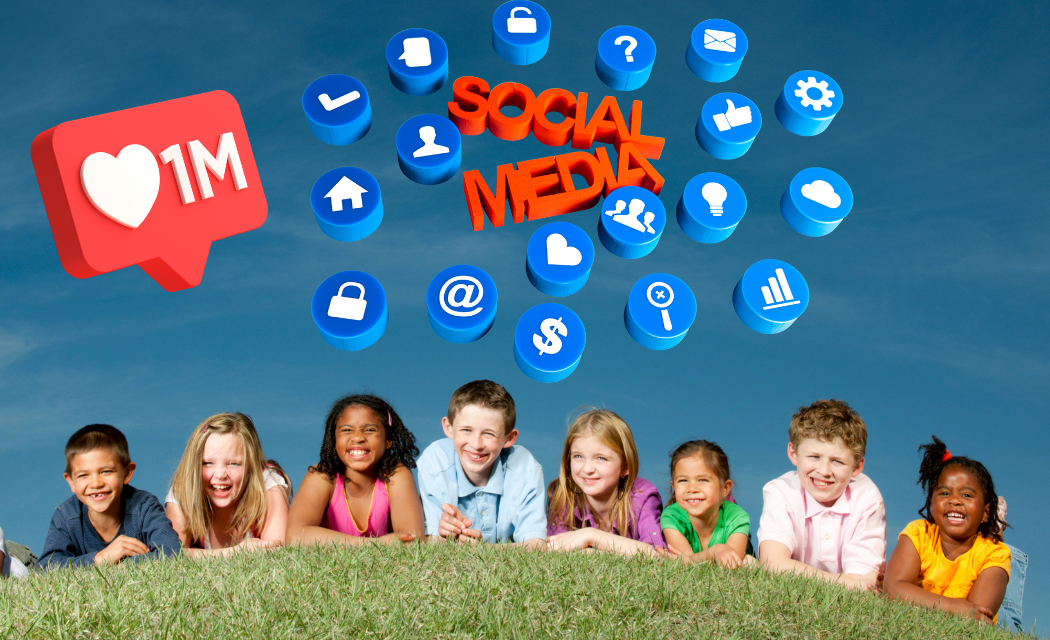
Keeping Children Safe in the Social Media Era
The United Nations highlights both the opportunities and risks children and young people face online. The internet can be a powerful tool for learning, socializing, and expression, but it also exposes young users to serious harm. Key points include:
-
Opportunities & Usage: Around 77 % of people aged 15–24 are online, opening doors for communication, education and social participation. United Nations
-
Major Risks:
-
Cyberbullying and peer-to-peer violence; more than a third report being targeted online. United Nations
-
Exposure to harmful content such as hate speech, violent imagery, incitement to self-harm, and misleading information. United Nations
-
Online sexual exploitation and abuse, including grooming and sharing exploitative material. United Nations
-
Recruitment by extremist groups and misleading manipulation. United Nations
-
Privacy breaches, data collection and exploitative digital marketing. United Nations
-
-
UN Actions & Initiatives:
-
The Child Online Protection (COP) Initiative by the ITU offers guidance to governments, educators, industry and families. United Nations
-
UNICEF works with platforms to combat cyberbullying and abusive practices while promoting safe-use education. United Nations
-
UNESCO recognizes cyberbullying and school violence as threats to youth well-being and promotes awareness and education. United Nations
-
Agencies collaborate yearly on Safer Internet Day to raise awareness of online challenges. United Nations
-
-
Children’s Rights: The UN emphasizes that children’s rights, including protection from harmful online content, must be upheld in the digital age, guided by conventions like the Convention on the Rights of the Child. United Nations
Freemuslim’s View on Online Safety for Children
Freemuslim, dedicated to promoting children’s rights in the digital age, echoes and expands upon the concerns highlighted by the UN:
Children and teens are among the most vulnerable users of social media.
In an era driven by social influence and rapid content sharing, young minds are exposed to violent imagery, normalized harmful patterns, and insidious peer pressures that can shape behavior and perception. Adult involvement is crucial early on.
Moujtaba Akhwand, Director of Freemuslim, emphasizes that parents and guardians must take an active role from the moment a child begins to interact with social media. This includes:
-
Monitoring the content children view;
-
Engaging in open conversations about digital risks;
-
Teaching ethical judgement and safe online habits.
Social media companies must do more.
Freemuslim calls on platforms to strengthen safeguards, early detection tools, and age-appropriate protections to prevent exposure to violent or misleading content. Repetition of harmful content does not make it acceptable, and normalization of hurtful behavior poses serious risks to developing values.
Education is a shared responsibility.
Parents have the duty not only to restrict harmful interactions but also to educate children on digital resilience and morality. Early guidance helps children distinguish between positive and negative influences online, fostering safe and informed digital citizens.