
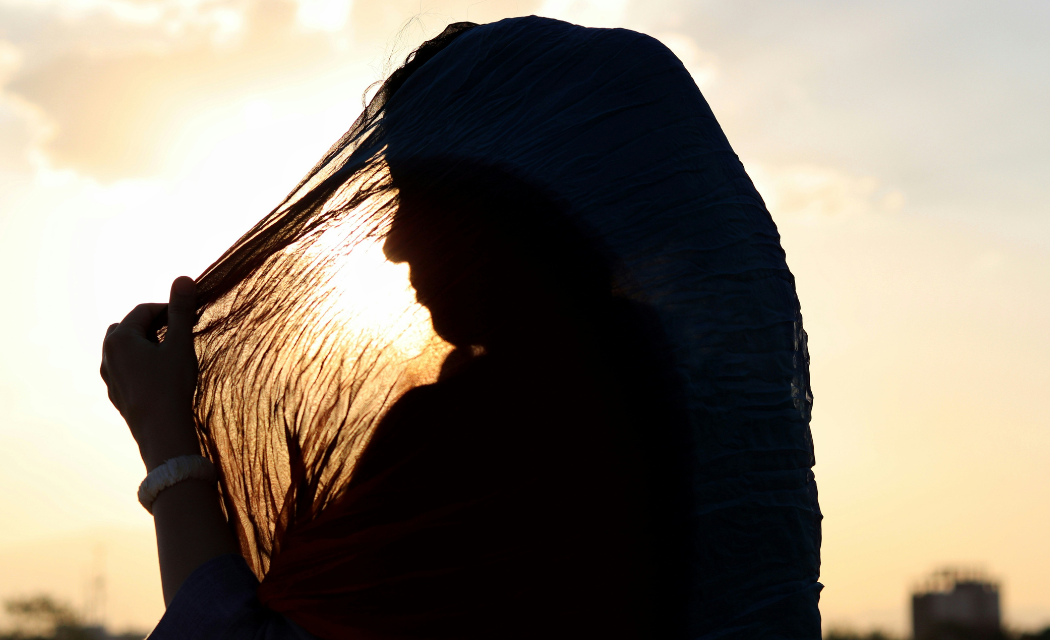
Hijab Is a Freedom of Choice: Respecting Rights, Protecting Dignity
Recent incidents in the United States illustrate a troubling trend in how Muslim women exercising their constitutional rights—particularly the right to wear the hijab and pray in public—can become targets of harassment and discrimination. In April 2025, three Muslim women praying outdoors in a parking structure in Alpharetta, Georgia were verbally assaulted by a stranger who directed anti-Muslim statements at them, telling them to “go back to your country” while they were engaging in peaceful prayer in accordance with their faith. 
This episode is far from isolated. Muslim students in U.S. schools and universities report worrying rates of harassment linked to their religious identity. Surveys show that nearly half of Muslim students say they have experienced discrimination or harassment due to their faith, and students who wear hijab report particularly high exposure to offensive conduct—including having their headscarves pulled or touched without consent. 
These patterns make it clear: wearing hijab is not just an article of clothing for many Muslim women—it is an expression of deeply held religious conviction protected under the First Amendment. Freedom of religion and freedom of expression are foundational to American constitutional law. The right to wear a hijab in public, in school, in the workplace, or while practicing one’s faith must be respected and upheld by individuals, institutions, and authorities alike.
Three Key Benefits of Wearing Hijab (As Women Describe It)
1. Expression of Faith and Identity
For many Muslim women, hijab is a personal choice anchored in spiritual commitment. It is a visible way to live out their faith daily and affirm their identity without contradiction or dilution.
2. Empowerment Through Autonomy
Contrary to stereotypes of oppression, countless women describe the hijab as a source of agency—an intentional choice that reflects their values and self-respect. It allows them to define their presentation on their own terms, shaping how they engage socially and professionally.
3. Community and Solidarity
Wearing hijab can strengthen bonds within faith communities by marking shared values and practices. This visibility fosters mutual support among women who find comfort, belonging, and confidence in one another’s presence.
These benefits are widely attested to by Muslim women themselves and recognized by civil liberties organizations as part of the broader landscape of religious freedom and expression. 
A Freemuslim View: Stronger Action Is Needed
Freemuslim is deeply concerned—and unequivocally outraged by the harassment directed at Muslim women for wearing religious dress. What is even more troubling is not only the harassment itself but the failure of authorities to respond consistently and forcefully in ways that deter such conduct. In the Alpharetta case, the local police declined to file chargeable offenses, citing protections for even offensive speech, while civil society organizations pressed for investigation. 
It is the fundamental responsibility of law enforcement, government representatives, and local leaders to protect the constitutional rights of all persons, not merely when incidents attract media attention or social pressure. Where harassment is motivated by religious bias, it should be treated with the seriousness any hate crime demands—investigated promptly, prosecuted appropriately, and punished according to the full extent of the law. There should be no ambiguity: rights for one person must equal rights for every person.
Religious expression—whether worn visibly like the hijab or practiced quietly in prayer—is part of America’s rich tapestry of freedoms. Inclusion and peaceful coexistence, not discrimination and exclusion, must guide our path forward. Efforts to educate communities, strengthen policies on religious accommodation, and hold perpetrators accountable are essential to protect freedoms that are already enshrined in the Constitution.